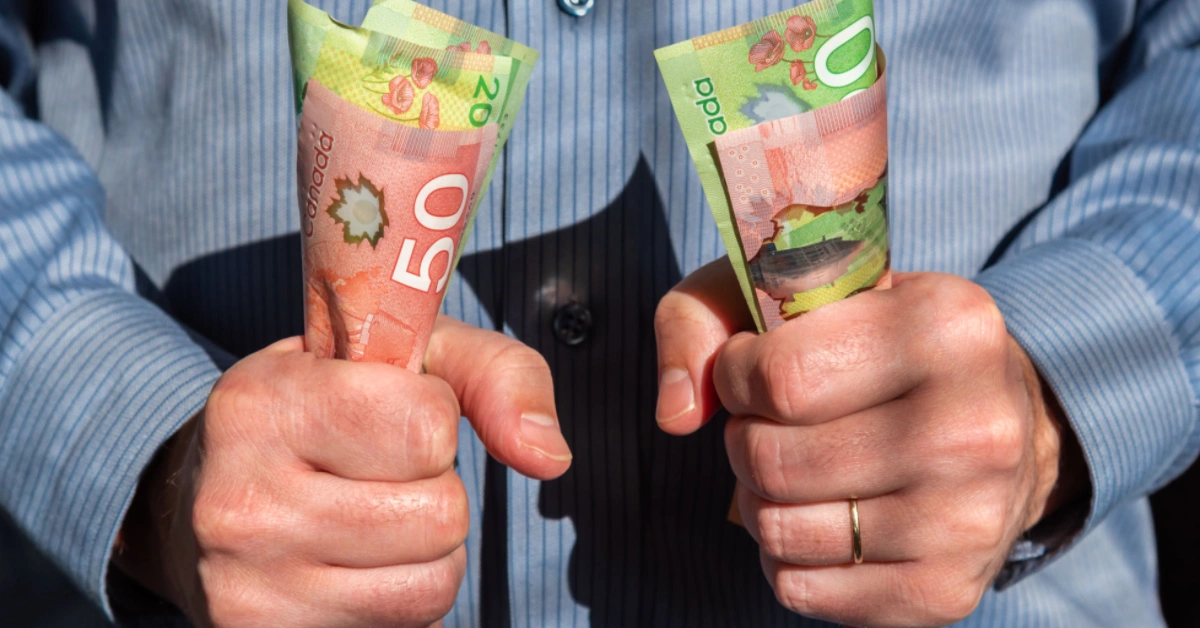
The Goods and Services Tax/Harmonized Sales Tax (GST/HST) credit is one of the most important federal benefits in Canada, helping individuals and families with low and modest incomes offset the cost of sales taxes. Administered by the Canada Revenue Agency (CRA), the credit is issued quarterly and is completely tax-free.
With the next payment scheduled for October 3, 2025, millions of Canadians are preparing to receive an average of $232 this fall. Here’s everything you need to know about the October payment, eligibility rules, income limits, and how much you could receive.
$680 CRA One-Time Payment for September 2025: Eligibility, Amount, and Payment Dates
CRA Triple Government Payments Coming in September 2025: Who Qualifies and How Much You’ll Receive
What is the GST/HST Credit?
The GST/HST credit was designed to make Canada’s sales tax system fairer for households with lower or modest incomes. Instead of applying for it each year, eligible Canadians are automatically considered once they file their income tax return.
- Payment frequency: January, April, July, and October
- Amount factors: Family net income, marital status, and number of children under 19
- Administration: Payments issued by the CRA, typically through direct deposit
October 2025 GST/HST Payment Date
The next quarterly GST/HST credit payment will be sent on:
- Friday, October 3, 2025
Those signed up for direct deposit will see the funds in their bank accounts the same day, while paper cheques may take a few extra days to arrive.
GST/HST Credit Amounts for 2025–2026
The July 2025 to June 2026 benefit year sets out the following maximum annual amounts:
- $533 for single individuals
- $689 for married or common-law couples (combined amount, not per partner)
- $184 per child under the age of 19
For many households, this translates to an average quarterly payment of about $232, depending on income and family size.
Eligibility Requirements
To receive the GST/HST credit, you must meet the following conditions:
- Be at least 19 years old (or, if under 19, have a spouse/common-law partner or be a parent living with your child)
- Be a resident of Canada for tax purposes
- Have filed a tax return, even if you had no income
No separate application is required, unless you are new to Canada, in which case you must apply using Form RC151.
Income Limits for 2025
The GST/HST credit is income-tested, meaning higher incomes reduce the amount received. For the July 2025 – June 2026 benefit year:
- Single individuals begin to see reductions once their adjusted family net income exceeds about $42,000
- Couples and families with children have higher thresholds, depending on household size
The CRA uses your 2024 tax return to calculate your exact eligibility and payment amount.
How Payments Are Delivered
The CRA provides the credit in two ways:
- Direct deposit – fastest and most secure option
- Paper cheque – mailed but subject to postal delays
If your annual credit is less than $50, the CRA will issue it as a lump sum in July instead of quarterly installments.
Why the GST/HST Credit Matters in 2025
With inflation continuing to push up the cost of food, housing, and transportation, even modest benefits like the GST/HST credit provide meaningful relief. When combined with other programs such as the Canada Child Benefit (CCB) and Old Age Security (OAS), the credit helps millions of Canadians manage day-to-day expenses.
Key Takeaways
- The next GST/HST credit payment is October 3, 2025
- Maximum annual amounts: $533 for singles, $689 for couples, and $184 per child
- Eligibility is based on 2024 tax return income, marital status, and family size
- Payments are issued by the CRA via direct deposit or cheque
- For many households, the October 2025 payment will average around $232
As Canada continues to face affordability challenges, the GST/HST credit remains a vital support program for millions of households across the country.